
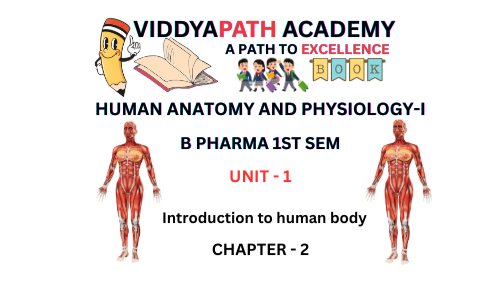
Basic Life Processes
Definition
Basic life processes are the essential activities performed by the human body that are necessary for survival, growth, and maintenance of life. These processes ensure proper functioning of cells, tissues, organs, and systems.
In Short (Exam Tip)
Basic Life Processes = Metabolism + Responsiveness + Movement + Growth + Differentiation + Reproduction
Major Basic Life Processes
- Metabolism – All chemical reactions in the body
- Responsiveness – Ability to respond to stimuli
- Movement – Movement of body parts and substances
- Growth – Increase in size and number of cells
- Differentiation – Development of specialized cells
- Reproduction – Formation of new cells or organisms
1. Metabolism
Definition
Metabolism is the sum total of all chemical reactions occurring in the living cells of the body that are essential for energy production, growth, repair, and maintenance of life.
In Short (Exam Tip)
Metabolism = Anabolism (building) + Catabolism (breaking) → Energy & Life Maintenance
Types of Metabolism
1. Anabolism
- Constructive phase of metabolism
- Involves building complex molecules from simpler ones
- Requires energy
Examples:
- Protein synthesis
- Formation of glycogen from glucose
- Cell growth and tissue repair
2. Catabolism
- Destructive phase of metabolism
- Involves breaking down complex molecules into simpler ones
- Releases energy
Examples:
- Breakdown of glucose during respiration
- Digestion of food
- Breakdown of fats and proteins
Importance of Metabolism
- Provides energy for all body activities
- Supports growth and development
- Helps in repair and replacement of tissues
- Maintains body temperature
- Regulates normal body functions
Factors Affecting Metabolism
- Age
- Body size and composition
- Hormones (especially thyroid hormones)
- Physical activity
- Nutrition
2. Responsiveness (Irritability)
Definition
Responsiveness, also called irritability, is the ability of the body or its cells to detect changes (stimuli) in the internal or external environment and respond appropriately.
In Short (Exam Tip)
Responsiveness = Detection of stimulus + Appropriate response
Stimulus
A stimulus is any change that can trigger a response, such as:
- Heat or cold
- Light
- Sound
- Pain
- Chemical changes (e.g., blood glucose level)
Response
A response is the reaction of the body to a stimulus, which helps in protection, adaptation, and survival.
Examples of Responsiveness
- Pulling hand away from a hot object
- Increased heart rate during exercise
- Sweating in hot conditions
- Pupil constriction in bright light
Systems Involved in Responsiveness
- Nervous System – Rapid responses through nerve impulses
- Endocrine System – Slower, long-lasting responses through hormones
Importance of Responsiveness
- Helps maintain homeostasis
- Protects the body from injury and harmful conditions
- Enables the body to adapt to environmental changes
3. Movement
Definition
Movement is a basic life process that refers to the ability of the body or its parts to change position, including movement of the whole body, internal organs, cells, and substances within the body.
Types of Movement
1. Movement of the Whole Body
- Walking, running, jumping
- Produced by skeletal muscles
2. Movement of Body Parts
- Flexion and extension of limbs
- Movement of eyes, tongue, and jaw
3. Movement of Internal Organs
- Heartbeat
- Breathing
- Movement of food in the digestive tract (peristalsis)
4. Movement at Cellular Level
- Movement of substances across cell membranes
- Ciliary movement in respiratory tract
Systems Involved in Movement
- Muscular System – Produces force for movement
- Skeletal System – Provides support and levers
- Nervous System – Controls and coordinates movement
Importance of Movement
- Helps in locomotion and daily activities
- Essential for circulation and respiration
- Aids in digestion and excretion
- Maintains posture and balance
4. Growth
Definition
Growth is a basic life process characterized by an increase in the size, number of cells, or complexity of the body or its parts. It occurs due to cell division and cell enlargement.
In Short (Exam Tip)
Growth = Increase in cell number + Cell size → Body development
Types of Growth
1. Physical Growth
- Increase in height, weight, and size of organs
2.Cellular Growth
- Increase in number of cells (mitosis)
- Increase in size of individual cells
Factors Influencing Growth
- Nutrition
- Hormones (growth hormone, thyroid hormones)
- Genetics
- Age
- Health status
Importance of Growth
- Essential for normal development from infancy to adulthood
- Helps in repair and replacement of worn-out cells
- Maintains body structure and function
Growth vs Development
- Growth – Increase in size and number
- Development – Functional and structural maturation
5. Differentiation
Definition
Differentiation is a basic life process in which unspecialized cells develop into specialized cells with specific structures and functions.
In Short (Exam Tip)
Differentiation = Unspecialized cells → Specialized cells
Differentiation vs Growth
- Growth – Increase in size and number of cells
- Differentiation – Specialization of cells
Explanation
During differentiation, cells change in:
- Structure
- Shape
- Function
This process allows the body to form different tissues and organs, each performing a specific role.
Examples of Differentiation
- Stem cells → nerve cells
- Stem cells → muscle cells
- Stem cells → red blood cells
- Formation of epithelial, muscle, and nervous tissues
Importance of Differentiation
- Essential for growth and development
- Enables specialization of cells
- Necessary for proper functioning of organs and systems
6. Reproduction
Definition
Reproduction is a basic life process by which new cells are formed for growth and repair, and new individuals are produced to ensure continuation of the species.
In Short (Exam Tip)
Reproduction = Cell formation + New individual → Continuity of species
Types of Reproduction
1. Cellular Reproduction
- Formation of new cells by cell division
- Important for growth, repair, and replacement
- Example: mitosis in body cells
2. Human (Sexual) Reproduction
- Involves male and female gametes
- Fusion of sperm and ovum forms a zygote
- Leads to development of a new individual
Importance of Reproduction
- Ensures continuation of life and species
- Helps in growth and tissue repair
- Maintains genetic continuity
Systems Involved in Reproduction
- Reproductive system
- Endocrine system (hormonal regulation)
Also Read- ANATOMY AND PHYSIOLOGY | INTRODUCTION TO HUMAN BODy
Homeostasis
Definition
Homeostasis is the ability of the body to maintain a stable internal environment despite changes in the external environment. It keeps body conditions within normal limits to ensure proper functioning of cells and organs.
In Short (Exam Tip)
Homeostasis = Stable internal environment maintained by feedback mechanisms
Examples of Homeostasis
- Regulation of body temperature (≈ 37°C)
- Control of blood glucose level
- Maintenance of blood pressure
- Regulation of water and electrolyte balance
- Maintenance of blood pH
Components of Homeostatic Control Mechanism
1. Receptor
- Detects changes (stimuli) in the internal environment
2. Control Center
- Processes information and decides the response
- Usually the brain or endocrine glands
3. Effector
- Produces a response to correct the change
- Example: muscles or glands
Role of Systems in Homeostasis
- Nervous System – Fast responses
- Endocrine System – Slow but long-lasting responses
- Urinary & Respiratory Systems – Regulate pH and fluids
Feedback Mechanism
Definition
A feedback mechanism is a regulatory process by which the output or response of a system influences the activity of the system itself to maintain homeostasis in the body.
Types of Feedback Mechanisms
1. Negative Feedback
- Most common type
- Reverses the change to restore normal condition
- Maintains stability
Examples:
- Regulation of body temperature
- Control of blood glucose level
- Blood pressure regulation
2. Positive Feedback
- Rare type
- Enhances or amplifies the change
- Continues until a specific event is completed
Examples:
- Childbirth (oxytocin release)
- Blood clotting
Importance of Feedback Mechanism
- Maintains internal balance (homeostasis)
- Ensures normal functioning of body systems
- Prevents harmful fluctuations in body conditions
Basic Anatomical Terminology
Definition
Basic anatomical terminology consists of standard terms used to describe the location, position, and relationship of body parts. These terms ensure clear and accurate communication in anatomy and medicine.
1. Anatomical Position
In Short (Exam Tip)
Anatomical Position = Standing erect, face forward, arms at sides, palms forward
The standard reference position of the human body:
- Standing upright (erect)
- Head and eyes facing forward
- Arms hanging by the sides
- Palms facing forward
- Thumbs pointing away from the body
- Feet flat on the floor and pointing forward
All anatomical terms are described based on this position.
2. Directional Terms
Term Meaning
- Superior – Toward the head / above
- Inferior – Away from the head / below
- Anterior – Front
- Posterior – Back
- Medial – Toward the midline
- Lateral – Away from the midline
- Proximal – Nearer to point of origin
- Distal – Farther from point of origin
- Superficial – Toward the surface
- Deep – Away from the surface
3. Body Planes
Body planes are imaginary lines that divide the body:
- Sagittal Plane – Divides body into right and left parts
- Frontal (Coronal) Plane – Divides body into front and back
- Transverse Plane – Divides body into upper and lower parts
4. Body Cavities
Dorsal Cavity
- Cranial cavity – Brain
- Spinal cavity – Spinal cord
Ventral Cavity
- Thoracic cavity – Heart and lungs
- Abdominal cavity – Stomach, liver, intestines
- Pelvic cavity – Urinary bladder, reproductive organs
5. Regional Terms (Examples)
- Cephalic – Head
- Cervical – Neck
- Thoracic – Chest
- Abdominal – Abdomen
- Pelvic – Pelvis
- Femoral – Thigh
- Brachial – Arm
Also Read- What Is Pharmacology? Pharmacodynamics and Pharmacokinetics with Examples
Unit 1 Human Anatomy And Physiology 1 – All Chapter PDF Notes
Pingback: General Principles of Cell Communication & Signaling
Pingback: Structure and Functions of Cell | Transport and Division
Pingback: Integumentary System: Structure and Functions of Skin